


Service
Comprehensive Pet Wellness Care in El Paso, TX
Your pet’s long-term health, comfort, and happiness depend on consistent, proactive wellness care. At TLC Animal Hospital in El Paso, TX, we provide personalized wellness plans designed to prevent disease, detect early health changes, and support your pet at every stage of life. From routine exams to parasite prevention and senior wellness, we offer complete care for dogs, cats, and exotic pets.
Request An Appointment


Why Routine Wellness Care Matters
Pets age faster than humans, meaning health changes can develop quickly. Routine wellness care allows our veterinarians to detect issues early, prevent disease, and give your pet the healthiest, happiest life possible. Wellness care focuses on prevention—before illness has a chance to take hold.
Routine Physical Exams
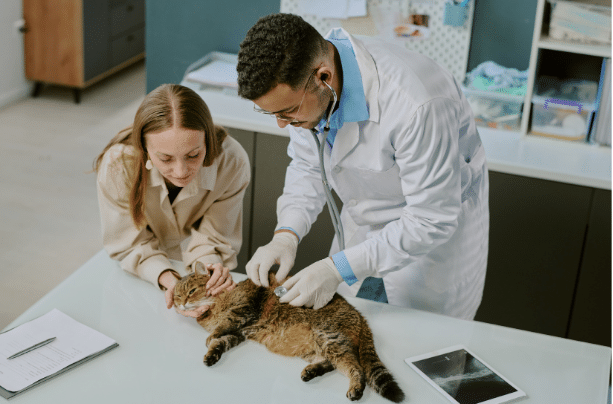
Every pet should receive a full physical exam at least once a year. Some pets, especially seniors or those with chronic conditions, benefit from more frequent visits. Since many animals hide illness, exams are essential for early detection.
What’s Included in a Physical Exam?
- Full weight and body condition evaluation
- Eye, ear, and nose examination
- Oral and dental health check
- Listening for heart or lung abnormalities
- Abdominal palpation for lumps, organ changes, or pain
- Skin and coat evaluation for infections, parasites, or masses

Intestinal Parasite Prevention & Testing
Intestinal parasites are common in puppies, kittens, and outdoor pets. Some—including roundworms and hookworms—can also infect humans, making prevention important for your family’s health.
Common Intestinal Parasites
- Roundworms
- Hookworms
- Tapeworms
- Whipworms
- Giardia
- Coccidia
Our Recommendations
We recommend fecal testing for all puppies, kittens, and newly adopted pets. Deworming may be needed depending on age and risk. Ongoing parasite prevention protects both pets and families.
- Full weight and body condition evaluation
- Eye, ear, and nose examination
- Oral and dental health check
- Listening for heart or lung abnormalities
- Abdominal palpation for lumps, organ changes, or pain
- Skin and coat evaluation for infections, parasites, or masses
Heartworm Disease Prevention for Dogs & Cats
Heartworm disease is a life-threatening condition transmitted by mosquitoes. Even indoor pets are at risk. Prevention is simple, safe, and far more affordable than treatment.
Why Heartworm Prevention Is Essential
- Heartworms can grow up to a foot long
- They damage the heart and lungs for years before symptoms appear
- Treatment is expensive, risky, and not available for cats
- The disease is 100% preventable with monthly medication
When to Start Prevention
Puppies and kittens can begin prevention as early as 6 weeks of age. Annual heartworm testing is recommended—even for pets on prevention—to ensure early detection.

| Age (yrs) | Feline 0–20 lbs |
Canine 0–20 lbs |
Canine 20–50 lbs |
Canine 50–90 lbs |
Canine > 90 lbs |
|---|---|---|---|---|---|
| 1 | 7 | 7 | 7 | 8 | 9 |
| 2 | 13 | 13 | 14 | 16 | 18 |
| 3 | 20 | 20 | 21 | 24 | 26 |
| 4 | 26 | 26 | 27 | 31 | 34 |
| 5 | 33 | 33 | 34 | 38 | 41 |
| 6 | 40 | 40 | 42 | 45 | 49 |
| 7 | 44 | 44 | 47 | 50 | 56 |
| 8 | 48 | 48 | 51 | 55 | 64 |
| 9 | 52 | 52 | 56 | 61 | 71 |
| 10 | 56 | 56 | 60 | 66 | 78 |
| 11 | 60 | 60 | 65 | 72 | 86 |
| 12 | 64 | 64 | 69 | 77 | 93 |
| 13 | 68 | 68 | 74 | 82 | 101 |
| 14 | 72 | 72 | 78 | 88 | 108 |
| 15 | 76 | 76 | 82 | 93 | 115 |
| 16 | 80 | 80 | 87 | 99 | 123 |
| 17 | 84 | 84 | 92 | 104 | 131 |
| 18 | 88 | 88 | 96 | 109 | 139 |
| 19 | 92 | 92 | 101 | 115 | 139 |
| 20 | 96 | 96 | 105 | 120 | — |
Frequently Asked Questions
How do I use the pet age and weight chart?
The chart helps you compare your dog or cat’s age in human years based on their weight range. Simply find your pet’s current age in years, then match it to the correct weight category to estimate their life stage and senior-care needs.
Why does weight affect my pet’s age in human years?
Larger dogs typically age faster than smaller dogs because of metabolism, growth rates, and overall body size. Cats have a more consistent aging curve. Using weight ranges ensures the most accurate age comparison possible.
Is this pet age chart accurate for all breeds?
The chart provides a general guideline used by veterinarians. Individual pets may age differently based on genetics, breed, lifestyle, and overall health. Always discuss your pet’s age-related needs with your veterinarian.