


Pet Vaccinations in El Paso, TX –
Essential Protection for a Healthy, Happy Life
At TLC Animal Hospital in El Paso, TX, pet vaccinations are a core part of our preventive care. Vaccines protect your dog or cat from dangerous, contagious, and sometimes fatal diseases. With personalized vaccine plans and compassionate veterinary care, we help your pet stay healthy at every stage of life.
Request An Appointment
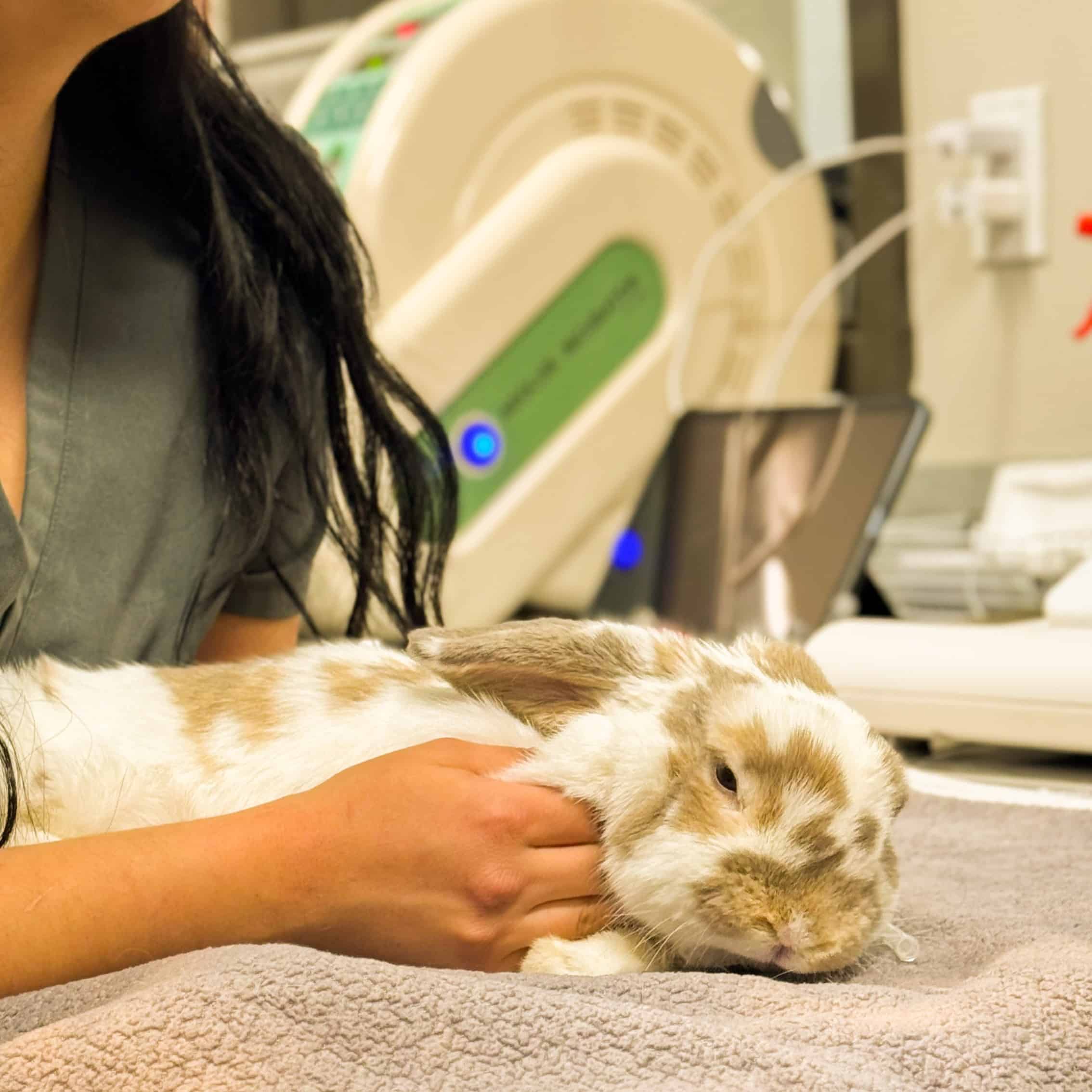
Pet Vaccinations in El Paso, TX: Protecting Your Dog or Cat with Preventive Care

Vaccinations Are Important for Your Dog or Cat
Vaccinations strengthen your pet’s immune system by preparing it to recognize and fight off harmful viruses and bacteria. Many of these illnesses spread quickly, pose life-threatening risks, or can even infect humans. Keeping your pet vaccinated protects your family, your community, and your pet’s long-term health.
Core Vaccines for Dogs and Cats
Core vaccines are recommended for every pet, regardless of lifestyle, because they protect against the most serious and widespread diseases.
Core Vaccinations for Dogs
- Rabies
- Distemper
- Parvovirus
- Adenovirus (Hepatitis)
Additional Dog Vaccines Based on Lifestyle
- Bordetella (Kennel Cough)
- Leptospirosis
- Canine Influenza
- Lyme Disease
Core Vaccinations for Cats
- Rabies
- Feline Herpesvirus (FHV-1)
- Calicivirus (FCV)
- Panleukopenia (FPV)
Additional Cat Vaccines Based on Lifestyle
- Feline Leukemia (FeLV)
- Chlamydia
- Bordetella
When Should Pets Be Vaccinated?
Puppies and kittens begin their vaccine series at 6–8 weeks old, receiving booster shots every 3–4 weeks until about 16 weeks of age. Adult pets receive ongoing booster vaccines annually or every three years depending on the vaccine type and veterinary recommendations.
Puppy Vaccination Schedule
- 6–8 weeks: First DHPP vaccine
- 10–12 weeks: DHPP booster
- 14–16 weeks: Final DHPP, Rabies
- Other vaccines based on lifestyle
Kitten Vaccination Schedule
- 6–8 weeks: FVRCP vaccine
- 10–12 weeks: FVRCP booster, FeLV (if needed)
- 14–16 weeks: Final FVRCP, Rabies
- FeLV for outdoor cats or multi-cat homes
How We Personalize Your Pet’s Vaccination Plan
No two pets are the same. Our veterinarians customize vaccine recommendations based on:
- Your pet’s age, breed, and health
- Indoor vs. outdoor lifestyle
- Travel and boarding habits
- Local disease exposure risks
- Medical history and previous vaccinations
A tailored vaccination plan ensures your pet receives the exact protection they need—no more, no less.
Are Pet Vaccines Safe?
Yes. Vaccines used by veterinarians undergo extensive safety testing. Most pets only experience very mild, temporary side effects, if any.
Common Mild Side Effects
- Soreness at the injection site
- Mild fatigue or reduced appetite
- Low-grade fever
Rare but Serious Reactions
True vaccine reactions are extremely rare, but if they occur—such as vomiting, swelling, or difficulty breathing—contact us immediately. Your pet’s safety is always our top priority.
How It Works

Schedule Your Pet’s Vaccination Appointment
Give us a call at (915) 592-6200 to schedule your pet’s vaccination visit. We’ll gather a few details about your pet’s age, lifestyle, and medical history so we can prepare the right vaccines ahead of time.

Comprehensive Wellness & Vaccine Assessment
During your appointment, our team will perform a quick wellness evaluation to ensure your pet is healthy and ready for vaccination. We’ll discuss which core and lifestyle-based vaccines your dog or cat needs based on exposure risk and veterinary recommendations.

Safe Vaccination & Personalized Vaccine Plan
Your pet will receive their vaccines using gentle, Fear Free handling techniques. Before you leave, we’ll provide a personalized vaccination schedule, booster reminders, and guidance on what to expect after your pet’s visit.
Our Location
Frequently Asked Questions
When should my puppy or kitten start vaccinations?
Most puppies and kittens begin their first vaccine series at 6 to 8 weeks old. They receive boosters every 3 to 4 weeks until they reach about 16 weeks of age. This schedule helps build strong lifelong immunity.
How often do adult pets need vaccines?
Adult dogs and cats typically need vaccine boosters once a year or every three years, depending on the vaccine type and their exposure risk. Your veterinarian will recommend the right schedule based on your pet’s lifestyle.
Are pet vaccines safe?
Yes. Vaccines used in veterinary medicine are extensively tested for safety and effectiveness. Most pets experience only mild, temporary side effects such as soreness, slight fatigue, or mild fever. Serious reactions are very rare.
What side effects should I expect after my pet is vaccinated?
Mild and temporary side effects may include:
-
Small lump or soreness at the injection site
-
Slight tiredness
-
Mild decrease in appetite
-
Low-grade fever
If your pet develops swelling, vomiting, hives, or trouble breathing, contact us right away.