


Service
Rabbit Dentistry in El Paso, TX
Rabbits require specialized dental care due to their continuously growing teeth. At TLC Animal Hospital in El Paso, TX, we provide comprehensive rabbit dentistry to prevent painful overgrowth, infections, and malocclusions. Our Fear Free Certified team uses advanced diagnostics and gentle techniques to ensure your rabbit stays comfortable and healthy.
Request An Appointment
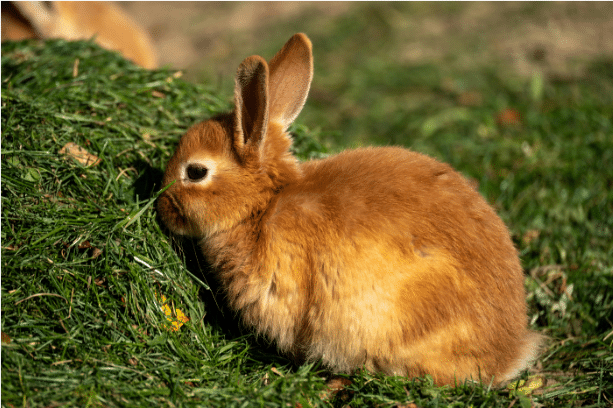

Why Rabbit Dental Health Matters
A rabbit’s teeth grow throughout their life. Without proper wear from chewing hay or other fibrous foods, their teeth can develop sharp points or become misaligned (malocclusions). This can cause drooling, facial swelling, reduced appetite, and even life-threatening infections. Early detection and professional dental care are essential to maintain your rabbit’s health and comfort.
Advanced Diagnostics with CT Imaging
Dental disease in rabbits often occurs below the gumline, making it difficult to diagnose with a simple oral exam. Our on-site CT scanner provides 3-D, high-resolution imaging of the skull, sinuses, and tooth roots. This technology allows our veterinarians to accurately identify abscesses, tooth overgrowth, and bone changes, leading to faster and more precise treatment plans.

What Our Rabbit Dentistry Services Include
Our rabbit dental services are designed to ensure your pet receives gentle, effective, and stress-free care tailored to their unique needs.
Comprehensive oral exams and dental charting
Our veterinarians perform a detailed examination of your rabbit’s teeth, gums, tongue, and jaw alignment. We look for sharp points, overgrown teeth, or lesions that may affect eating or cause discomfort. Each tooth is carefully documented in a dental chart, allowing us to track changes and monitor long-term oral health.
Tooth trimming or filing under anesthesia
Rabbits’ teeth grow continuously, and when they don’t wear down properly, sharp points or uneven edges can form. To correct this safely, we gently trim or file the teeth while your rabbit is under light anesthesia. This ensures precision and comfort, reducing stress and preventing injury to the mouth or tongue.
Abscess and Infection Treatment
Rabbits are prone to dental abscesses, which can spread quickly if untreated. Using CT imaging and diagnostic testing, we locate the source of infection and treat it through surgical drainage, antibiotics, and supportive care. Our goal is to relieve pain, eliminate infection, and prevent recurrence.
CT imaging of teeth, jaw, and sinuses
Unlike basic dental exams, CT imaging gives us a 3D view of your rabbit’s skull, tooth roots, and sinuses. This advanced diagnostic tool helps identify hidden issues like root infections, abscesses, or bone loss that can’t be seen during a visual exam. It ensures a precise diagnosis and more effective treatment planning.
Extraction of diseased or overgrown teeth
In some cases, teeth that are severely damaged, infected, or misaligned need to be removed to restore your rabbit’s comfort and ability to eat. Our team uses specialized dental tools and careful anesthetic monitoring to perform extractions safely. We also provide post-procedure pain relief and follow-up care to support healing.
Pain Management and Post-Care Monitoring
Your rabbit’s comfort is our top priority. We provide appropriate pain medication before, during, and after dental procedures. Our veterinarians also give you personalized home care instructions and follow-up appointments to ensure proper healing, appetite recovery, and long-term oral health.
Signs Your Rabbit May Need Dental Care
Recognizing early symptoms of dental problems can prevent serious complications. Contact us if your rabbit shows any of these signs:
-
Drooling or wet fur under the chin
-
Difficulty eating or dropping food
-
Decreased appetite or weight loss
-
Facial swelling or discharge
-
Changes in chewing or grinding noises
-
Reduced activity or grooming
Frequently Asked Questions
How often should my rabbit have a dental exam?
Rabbits should receive a full dental exam at least once a year, though some breeds or rabbits with prior dental issues may need more frequent visits. Regular checkups help identify early signs of tooth overgrowth or malocclusion before they cause pain or appetite loss.
What are signs that my rabbit has dental problems?
Common symptoms include drooling, decreased appetite, difficulty chewing, weight loss, and a wet chin or neck. You may also notice your rabbit dropping food or showing changes in grooming habits. If you observe any of these signs, schedule a veterinary exam promptly.
Why do rabbits develop dental disease?
A rabbit’s teeth grow continuously throughout life. If their diet doesn’t include enough fibrous food like hay to help wear teeth down naturally, sharp points or misalignments (malocclusions) can develop. Genetics, trauma, and infections can also contribute to dental disease.
Is anesthesia safe for rabbits during dental procedures?
Yes. At TLC Animal Hospital, our veterinarians use specialized anesthetic protocols designed for rabbits. We closely monitor heart rate, oxygen levels, and temperature throughout every procedure to ensure safety and minimize stress.
What does a rabbit dental cleaning or trimming involve?
To safely trim or file overgrown teeth, rabbits are placed under light anesthesia. This allows precise correction of dental irregularities without causing pain. The procedure often includes a full oral exam and may involve CT imaging to check for hidden issues below the gumline.
How can I help maintain my rabbit’s dental health at home?
Provide unlimited access to high-quality hay, which naturally helps wear down teeth. Supplement with leafy greens and safe chew toys. Avoid sugary treats or pellet-only diets, which can accelerate tooth overgrowth and digestive issues.
Can rabbit dental problems be prevented?
Yes—consistent preventive care is key. Regular exams, a hay-based diet, and early intervention for any chewing or eating changes greatly reduce the risk of severe dental disease.