


Is your dog a little rounder than they used to be? You’re not alone—canine obesity is one of the most common and preventable health issues in pets today. But here’s the good news: with the right approach, you can help your dog lose weight safely and effectively, improving both their quality and length of life.
Why a Healthy Weight Matters
Studies have shown that lean dogs live up to two years longer than their overweight counterparts. They also face fewer health issues, such as:
Arthritis and joint pain
Skin conditions
Diabetes (4x more likely in obese dogs)
Lameness (5x more likely)
Early euthanasia due to chronic pain
In short, keeping your dog fit isn’t just cosmetic—it’s about giving them the healthiest life possible.
Is My Dog Overweight?
Here’s a quick guide:
Too Thin:
Ribs and spine are easily seen; waist is sharply defined.
Ideal Weight:
Ribs are not visible but can be felt easily; a clear “hourglass” shape is seen from above.
Overweight:
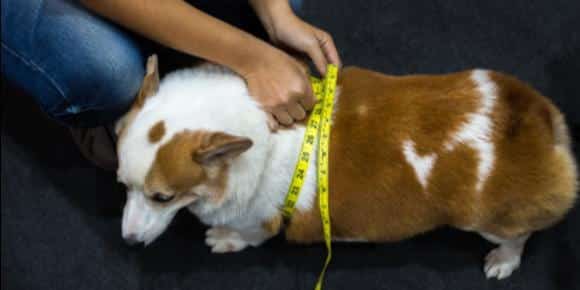
Ribs are hard to feel under fat; waistline is obscured or bulging; abdomen is rounded from the side.
If you’re unsure, your veterinary team can perform a Body Condition Score (BCS) evaluation.
What Causes Obesity?
Overfeeding (free-feeding, large meals, frequent treats or table scraps)
Lack of exercise (sedentary indoor lifestyle)
Spaying/neutering (can reduce calorie needs by 30%)
Medical conditions like hypothyroidism
Genetic predisposition
Diet Do’s and Don’ts
What to Feed
There’s no “magic” food—portion control is key. Choose a name-brand food that’s:
High in protein
Low in fat and carbohydrates
Formulated for weight loss (or use a vet-prescribed diet)
How Much to Feed
Measure how much your dog currently eats (use a measuring cup or food scale)
Reduce the daily portion by 25%
Feed twice daily and pick up leftovers after 10–15 minutes
In multi-pet homes, feed separately to avoid food sharing
Pro Tip: Spayed/neutered dogs need 30% fewer calories than intact dogs!
Monitoring Progress
Weigh your dog weekly (at home or at your vet’s office)
Aim for 1% weight loss per week
50 lb dog = 0.5 lb/week; 100 lb dog = 1 lb/week
Adjust intake if weight loss is too slow or too fast
Healthy Treat Alternatives
Kibble from their regular diet
Low-calorie dog treats
Carrots, green beans, or unbuttered popcorn
Attention and affection as a reward
Avoid: onions, garlic, grapes, raisins (these are toxic to dogs)
Exercise
Exercise builds muscle mass, boosts metabolism, and burns fat more efficiently.
Start slow, especially if your dog is obese or arthritic
Walk short distances and gradually increase
Avoid midday heat—opt for early morning or evening
Never exercise right after meals
Swimming is a great low-impact option if available
Other Tips for Success
Be patient—weight loss takes time
Avoid “yo-yo dieting”; stick to a consistent plan
Ask your vet about medical support or prescription weight loss options
Start healthy habits early and check weight regularly
Let’s Reach a Healthier Weight—Together!
Weight loss is one of the most powerful ways to improve your dog’s lifespan, energy, and comfort. At TLC Animal Hospital, we’re here to guide you every step of the way—from dietary plans to weigh-ins and motivation.
Call us today to schedule your dog’s weight check and get started on their path to better health.
Disclaimer:
This article was created using trusted resources and AI technology. Its content has been reviewed and vetted (ha!) by the veterinarian and medical director of TLC Animal Hospital. The content in this article is intended for educational and informational purposes only. It is not a substitute for a veterinary examination, diagnosis, or treatment plan. Always consult with your veterinarian for individualized medical advice and care specific to your pet’s needs.