




Pet Wellness Exams in El Paso, TX
Comprehensive Wellness Exams for Dogs and Cats
At TLC Animal Hospital in El Paso, TX, our pet wellness exams focus on keeping your dog or cat healthy through every life stage. These routine checkups allow our veterinarian to evaluate your pet’s overall health, detect early signs of illness, and provide personalized care recommendations to support long-term well-being.
Request An Appointment
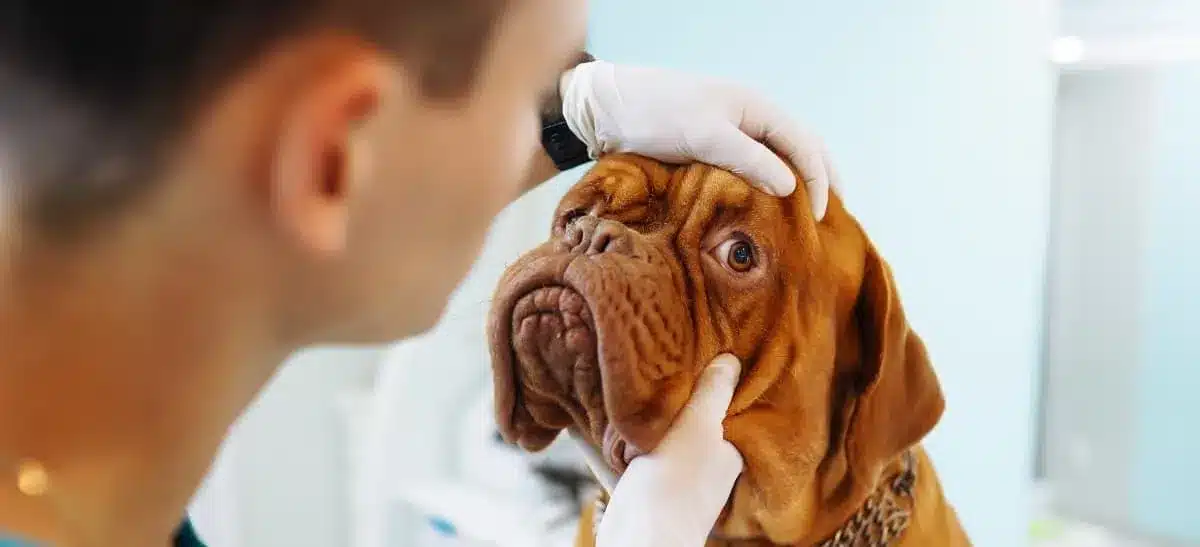
Pet Wellness Exams in El Paso, TX: Preventive Care for Dogs and Cats

What Is a Pet Wellness Exam?
A pet wellness exam is a full physical evaluation performed by your veterinarian to assess your pet’s health and screen for diseases before symptoms appear. Most pets benefit from annual wellness exams, while senior pets and those with medical conditions may need more frequent visits to ensure proper monitoring and treatment.
What Your Veterinarian Checks During the Exam
During your pet’s wellness visit, our veterinarian will evaluate:
-
Heart and lung function
-
Weight, body condition, and muscle tone
-
Temperature
-
Skin and coat health
-
Teeth and gums
-
Lymph nodes
-
Eyes and ears
-
Mobility, joints, and gait
-
Signs of parasites, wounds, or pain
These evaluations help us catch concerns early and create a care plan tailored to your pet’s needs.
Diagnostic Testing to Support Your Pet’s Health
Bloodwork and Lab Tests
Routine blood tests provide valuable information about organ function, immune health, and hidden diseases. Bloodwork can help detect:
-
Kidney disease
-
Liver problems
-
Diabetes
-
Thyroid disorders
-
Infections
-
Anemia and clotting issues
Early diagnosis means more effective treatment options and a better prognosis.
Parasite Screening and Prevention
Parasites like fleas, ticks, and mosquitoes can transmit serious diseases including heartworm, Lyme disease, and intestinal infections. During your pet’s exam, our team will review prevention options and conduct screenings to ensure your pet stays protected year-round.
Benefits of Behavior Medicine for Pets and Their Families
Behavior medicine doesn’t just help pets — it helps the entire household. By identifying and addressing the root cause of problem behaviors, families can restore balance, safety, and trust at home.
Peace of Mind for Pet Owners
A calm pet means a calm home. When your pet’s unwanted behaviors — such as barking, destructive chewing, or anxiety — are properly treated, the stress and worry you once felt begin to fade.
Our compassionate approach to pet behavior treatment helps owners feel supported every step of the way, knowing their furry companion is cared for by professionals trained in both medical and emotional behavior management.
Behavior medicine also helps:
-
Reduce daily stress and tension for both pets and families
-
Restore confidence in managing your pet’s reactions
-
Create a stable, nurturing home environment
What to Expect During Your Pet’s Wellness Visit
A Gentle, Fear Free Approach
At TLC Animal Hospital, your pet’s comfort is our top priority. As a Fear Free Certified practice, we use gentle handling, positive reinforcement, and calming techniques to ensure your pet feels safe throughout their exam. This helps create a stress-free experience and builds trust over time.
Tailored Recommendations for Long-Term Health
After completing the exam, our veterinarian will discuss personalized recommendations based on your pet’s age, breed, lifestyle, and medical history. This may include nutrition guidance, dental care advice, weight management support, vaccination schedules, and parasite prevention.
Safer Homes and Stronger Bonds
Unwanted behaviors like aggression, reactivity, or destructive habits can create safety concerns for families. With professional guidance from Dr. Dashley, our team develops individualized strategies that promote harmony between pets, owners, and other animals in the home.
By addressing the root cause — whether it’s fear, pain, or miscommunication — we help restore trust, improving both safety and companionship.
How It Works

Schedule Your Pet’s Wellness Visit
Call us at (915) 592-6200 to schedule your pet’s annual wellness exam. Our team will gather basic information about your pet’s age, lifestyle, previous medical history, and any concerns you’d like the veterinarian to address during the visit.

Full Physical Examination
During the appointment, our veterinarian performs a complete nose-to-tail exam. We evaluate your pet’s eyes, ears, skin, coat, teeth, heart, lungs, abdomen, joints, and mobility. This helps us detect early signs of illness long before symptoms appear.

Personalized Treatment Plan
Every pet is different. After evaluating your pet’s health, we’ll discuss diet, exercise, behavior, medications, supplements, and anything else that supports their long-term wellness and comfort.
Our Location
Frequently Asked Questions
What’s Included in a Pet Wellness Exam?
Physical Health Evaluation
Heart & lungs, temperature, weight, lymph nodes, abdomen, skin, nails, mobility, and more.
Oral & Dental Health Check
We look for signs of tartar, broken teeth, gum disease, or oral pain.
Parasite Screening
We check for fleas, ticks, heartworm, intestinal parasites, and recommend prevention.
Nutrition & Lifestyle Review
Diet, treats, activity level, environment, and age-related needs are discussed.
How often should my pet have a wellness exam?
Most pets need a wellness exam once a year. Senior pets or pets with health conditions may need exams every six months for proper monitoring.
What’s the difference between a wellness exam and a sick visit?
A wellness exam is preventive — it focuses on maintaining long-term health and catching early signs of disease.
A sick visit focuses on diagnosing and treating a current problem such as vomiting, coughing, pain, or behavior changes.
Do pets really need yearly bloodwork?
Yes. Bloodwork helps detect kidney disease, liver problems, diabetes, thyroid conditions, infections, and other issues that may not show symptoms right away. Early detection saves lives.